Building Information Modeling
Design, Documentation, and Management
A smarter way to plan, coordinate, and manage building projects.
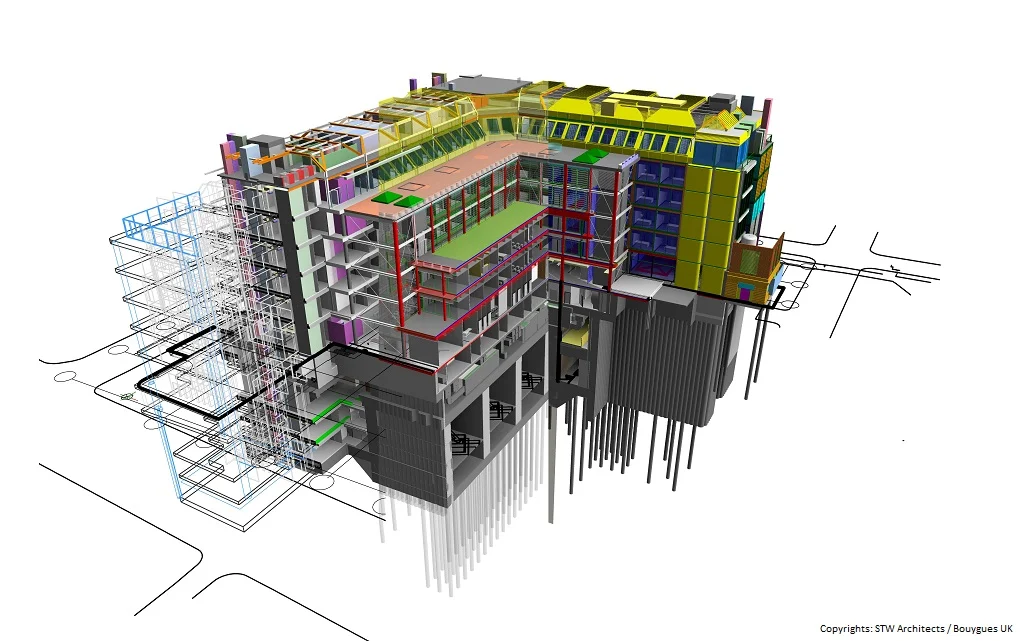
Building Information Modeling helps architects, designers, engineers, and project managers approach building design with clearer documentation, better coordination, and a shared information model. The result is a digital building description that supports decisions from early design through construction and operation.
Collaborative Model Data
Building information that stays useful across the project lifecycle.
BIM is a method for creating and managing information on a construction project across its lifecycle. One of its key outputs is the Building Information Model: a coordinated digital description of the built asset, assembled collaboratively and updated at key project stages.
A well-managed BIM model allows everyone interacting with the building to optimize their decisions, reduce rework, improve clarity, and support better whole-life value for the asset.
Architectural Modeling
Accurate digital models for spaces, elements, levels, materials, and coordinated documentation.
Design Documentation
Model-based drawings and information outputs that support review, approvals, and construction.
Multi-Team Coordination
Shared building information that helps project teams communicate design intent clearly.
Digital Asset Description
Structured model information for the building's geometry, components, and project data.
Lifecycle Updates
Model updates at important project stages so information remains dependable and current.
Whole-Life Value
Better-informed decisions for design optimization, construction planning, and long-term use.
Project Delivery Support
From visual model to practical project intelligence.
BIM modeling connects visual building geometry with useful project information. This helps teams identify design conflicts earlier, understand building components faster, and use one dependable model as the foundation for project communication.
BIM Workflow
What the modeling work supports.
- Create a coordinated digital building model from project information.
- Organize architectural, engineering, and construction documentation needs.
- Update model information at important stages of the project lifecycle.
- Support project managers, designers, and engineers with clearer model data.
- Prepare information outputs that improve decisions across the built asset life.